

Walk & Talk Nature-Based Therapy
Step outside the traditional office setting and into Calgary's parks and natural spaces. Walk & talk therapy combines the therapeutic benefits of movement, nature, and meaningful conversation to support your mental health in a way that feels natural, practical, and grounded.
What Is Walk & Talk Nature-Based Therapy?
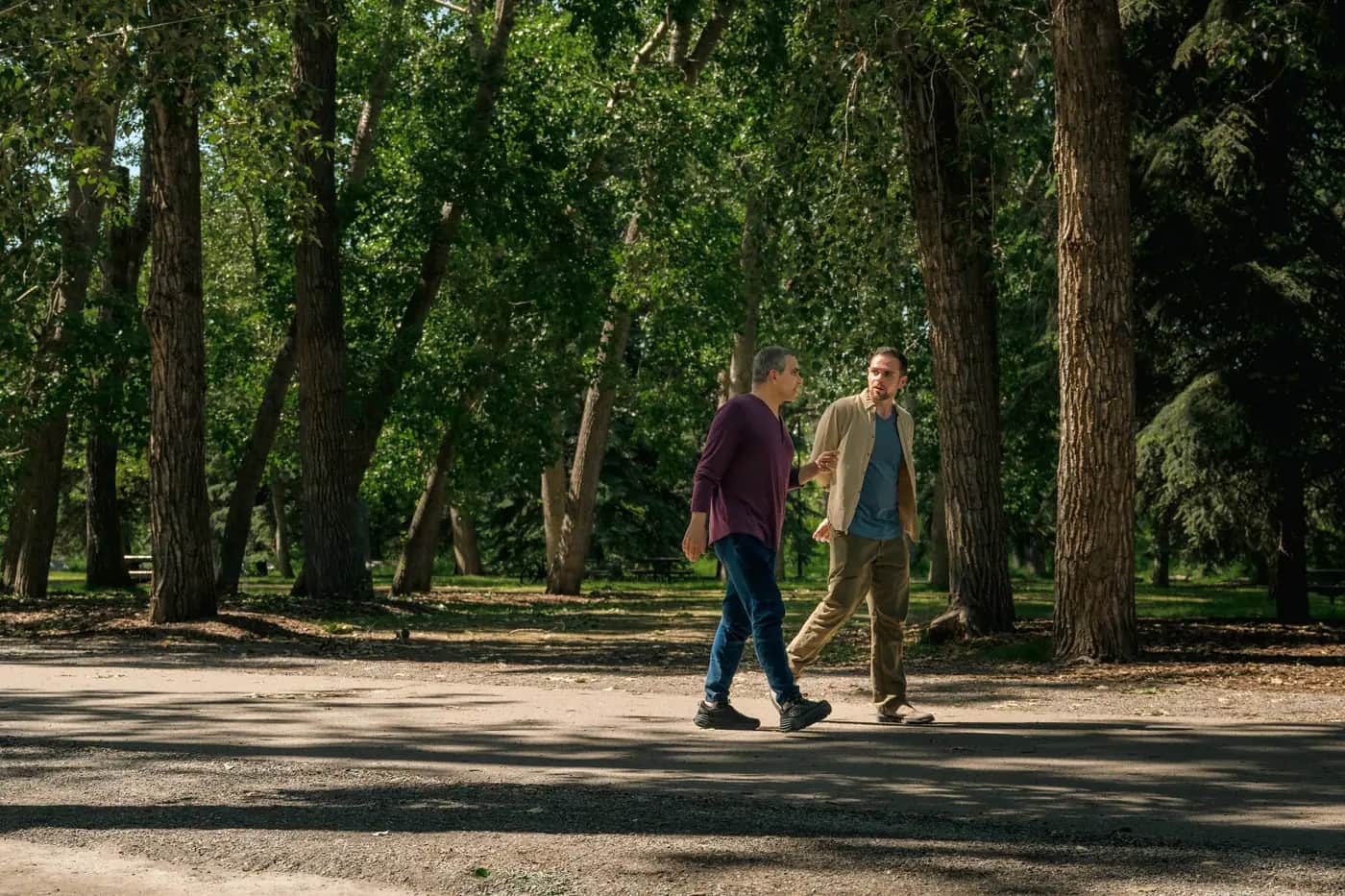
Walk and talk therapy is a form of counselling that takes the therapeutic conversation out of the office and into outdoor natural environments. Rather than sitting face-to-face in a traditional setting, you and your therapist walk side by side through carefully selected parks and green spaces. This approach draws on the growing body of research showing that time spent in nature can be health-promoting, decrease depression, and increase mental well-being (Joschko et al., 2023).
The natural environment becomes a co-therapist: the sights, sounds, and rhythms of the outdoors help regulate the nervous system and create a sense of calm that supports deeper, more open conversation.
Nature-based therapy is rooted in the supportive environment theory and takes an interdisciplinary, biopsychosocial approach. Research demonstrates that being outdoors can stimulate all the senses, increase feelings of freedom, and have positive effects on the immune system. Light and air can increase reflection and self-regulation, while a close connection with the seasons may promote self-acceptance and self-love (Joschko et al., 2023).
Walk & talk therapy harnesses these benefits while adding the well-documented advantages of gentle physical movement: reducing cortisol, improving mood, and creating a natural rhythm that makes difficult conversations feel more manageable.
Joschko, L., Pálsdóttir, A. M., Grahn, P., & Hinse, M. (2023). Nature-Based Therapy in Individuals with Mental Health Disorders, with a Focus on Mental Well-Being and Connectedness to Nature—A Pilot Study. International Journal of Environmental Research and Public Health, 20(3), 2167.
What the Research Says
Improved Mental Well-Being
Studies demonstrate significant improvements in mental well-being and connectedness to nature through nature-based therapy. Depression scores decreased and patients reported improvement at the soul level: feeling seen, heard, and accepted (Joschko et al., 2023).
Reduced Stress & Anxiety
Natural environments activate evolutionary neurological systems that provide peace and security. Being outdoors promotes oxytocin release, which reduces stress and fear while increasing trust, well-being, and health-promoting effects (Grahn et al., as cited in Joschko et al., 2023).
Stronger Therapeutic Connection
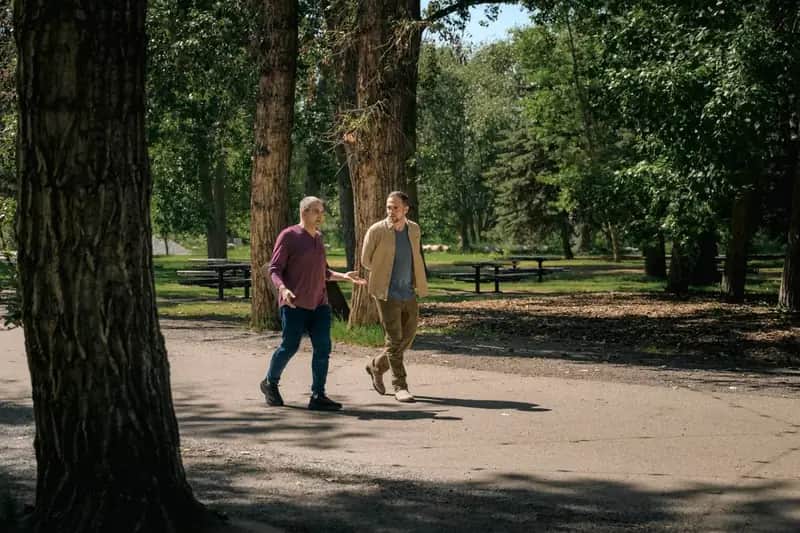
Walking side by side removes the pressure of direct eye contact and creates a more equal dynamic between therapist and client. The shared experience of nature fosters a deeper sense of connection and openness that many clients find more comfortable than a traditional office setting.
How Walk & Talk Nature-Based Therapy Works
We Start With a Conversation
Every journey begins with a free, no-obligation 20-minute phone consultation. We discuss your needs, what brings you to therapy, and whether walk & talk nature-based therapy is the right fit for you.

Choose Your Setting
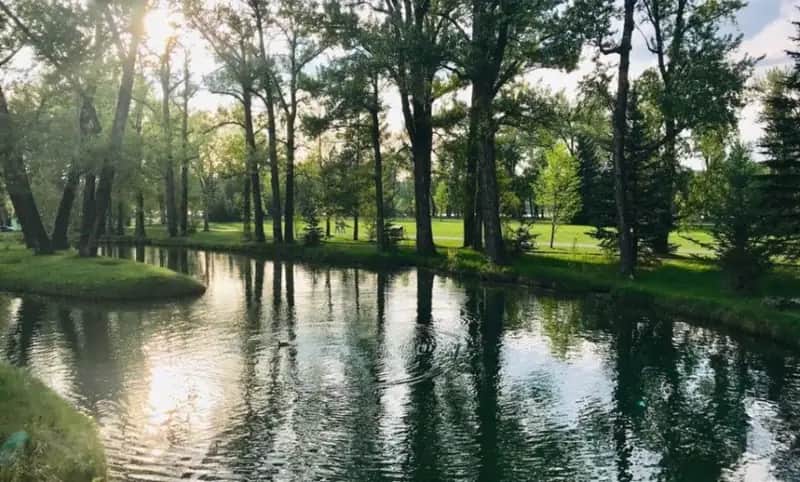
Together, we select a natural environment that suits your comfort level, from the peaceful Bow River pathways to the expansive trails of Confederation Park. Each location is chosen for privacy, safety, and calming surroundings.
Walk, Talk & Heal
Sessions take place side by side in nature rather than face to face. The rhythm of walking, the fresh air, and the natural surroundings work together to create a space where meaningful conversations flow more naturally.
Who Can Benefit From Walk & Talk Nature-Based Therapy?
Walk & talk nature-based therapy can support a wide range of mental health concerns. Whether you are working through anxiety, depression, life transitions, relationship challenges, grief, or simply feeling stuck, the combination of movement, nature, and therapeutic conversation offers a powerful alternative to traditional office-based counselling.
- Anxiety & Stress
- Depression
- Life Transitions
- Relationship Challenges
- Grief & Loss
- Self-Discovery & Growth
The Healing Power of the Natural World
Nature-based therapy recognizes that the natural environment is not simply a backdrop — it is an active participant in the therapeutic process. As Harper, Rose, and Segal (2019) describe, nature serves as a co-therapist, offering metaphors for growth, change, and resilience. The seasons remind us that rest and renewal are natural parts of life. A river teaches us about flow and letting go. The forest demonstrates how ecosystems thrive through interconnection and mutual support.
Jordan (2014) emphasizes that conducting therapy in outdoor natural spaces opens up unique therapeutic processes — the sensory richness of nature grounds us in the present moment, while the openness of outdoor spaces can mirror the psychological openness needed for genuine therapeutic work.
Jordan, M. (2015). Nature and therapy: Understanding counselling and psychotherapy in outdoor spaces. Routledge/Taylor & Francis Group.
Harper, N., Rose, K., & Segal, D. (2019). Nature-based therapy: A practitioner's guide to working outdoors with children, youth, and families.
Ready to Take Therapy Outside?
No referral needed. No commitment required. Just a 20-minute conversation to see if walk & talk nature-based therapy fits your needs.
 587-327-3465